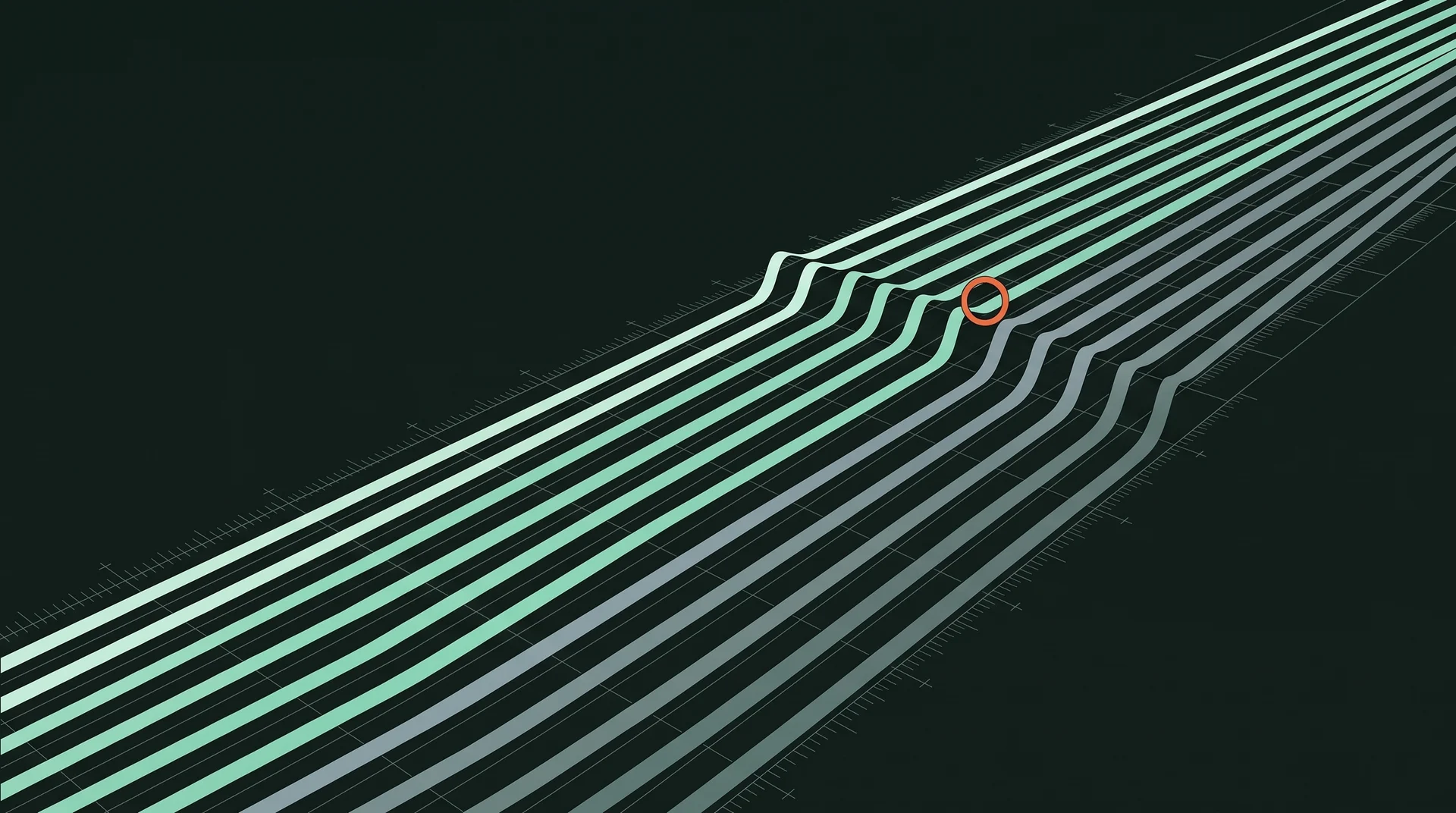
Twelve price-feed ribbons with a wavefront crossing them and a vermilion ring at the first kink
Signal Veil ORACLE OBSERVATORY · ETH/USD
Plate I · twelve feeds, one time axis

Mark the first to move.

Accurate calls leave permanent halos for every later viewer.

Enter the map
Click the field to lock the next move. Hover a ribbon to read its lag.
Plate II · the lag

Every feed is late to someone.

Twelve feeds quote ETH/USD. On the last 40 bps move, 2.8 seconds separated the first update from the last. Whoever sees the first kink sees the price before most of the market does.

12 feeds, one pair
40bps the last move
2.8s first update to last
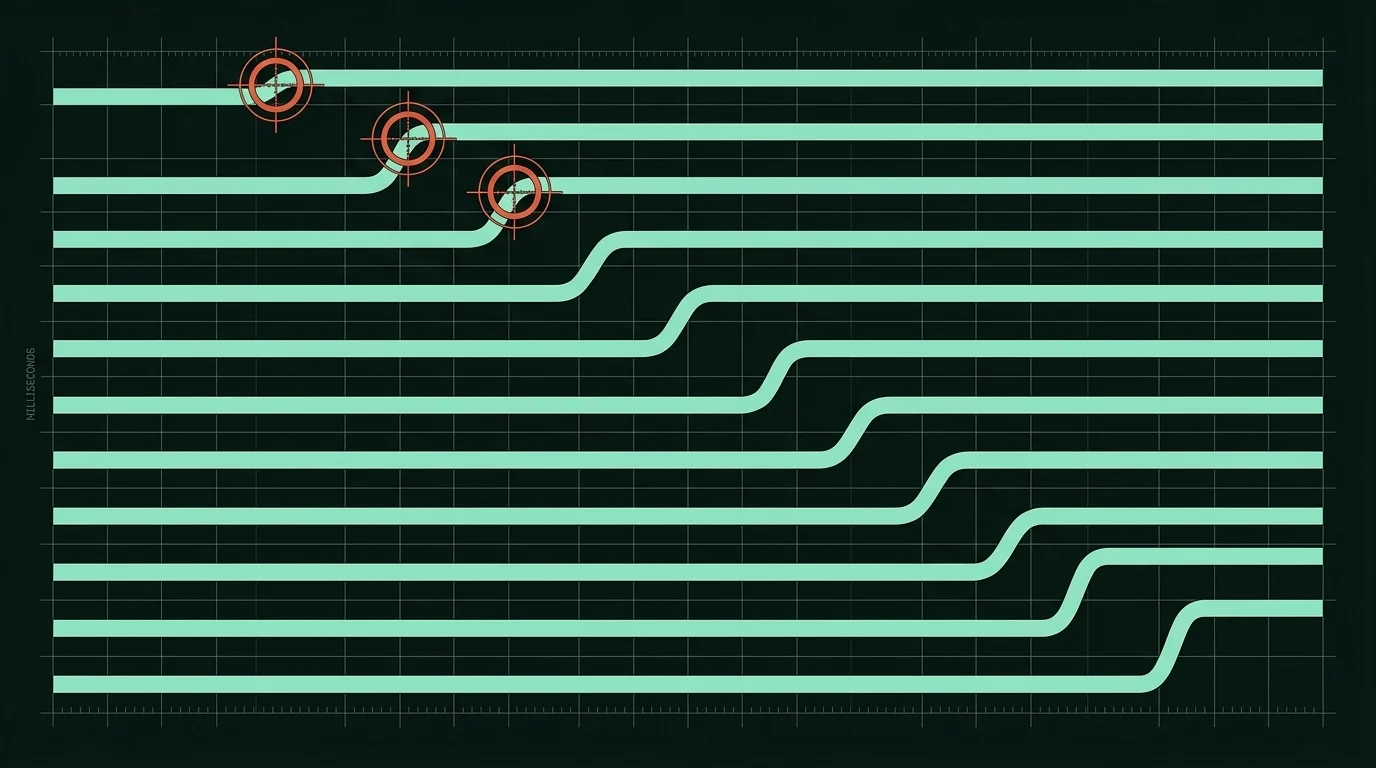
Twelve feed lanes seen from above, kinks forming a staircase, three rings left by earlier sessions
Lead-lag staircase. Twelve lanes, one move.Three halos from earlier sessions.
Plate III · the field

The field drifts. One feed leads.

Each feed hangs in the field as a constellation. Before every move its ephemeris is public: the last five updates, stated to the millisecond. Read them. Lock the reticle on the feed you expect to move first. Observe. If it leads, a halo stays at that feed and timestamp.

Enter the map
{{ n.id }}
W-0925-A · twelve constellations · reticle idle
Ephemeris tables
FEEDNAMEMEDIANLAST UPDATE {{ r.id }}{{ r.name }}{{ r.med }}{{ r.last }}
Deviationdrift from consensus, by median lag
−300 ms +3,400 ms
Signal Veil
Illustrative data. All times UTC, stated to the millisecond.
{{ n.label }} {{ n.kinkTxt }} {{ hoverTip.a }} {{ hoverTip.b }} {{ retLabel }}
{{ mapStatus }}
How it works

How a halo is pinned.

A move reaches twelve feeds at different moments. The first to update is the leader. Lock it before the move and the halo stays.

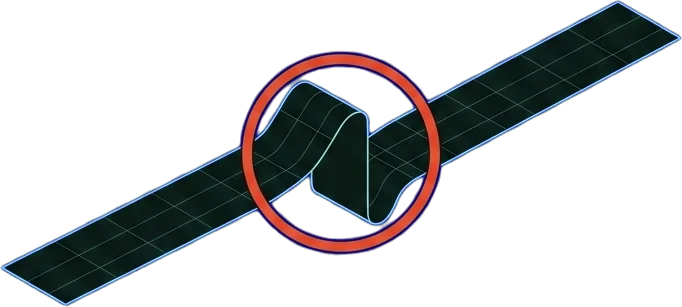
One ribbon segment with a sharp kink and a vermilion ring clamped at that point
One ribbon, one kink, one ring. The ring holds the feed and the millisecond.
{{ s.n }} {{ s.t }} {{ s.b }}

What a halo records.

windowW-0925-C · ETH/USD · +31 bps feed{{ exFeed }} timestamp12:31:40.062 UTC lead{{ exLead }} observerviewer 0917

Reading the ephemeris.

Each feed lists its last five update lags. The lowest median lag leads most moves. It is a good first call.

When the call is wrong.

The move still plays. The ephemeris shows which feed led and by how many milliseconds. No ring is pinned, and the window stays open.

Once pinned, it stays.

A window holds one halo. Later viewers can replay the move and watch the ring clamp at the same feed and millisecond.

Open the map
Launch lead-lag · last move
CA 0x8c9e…8b97
X Telegram
Halos are permanent. Times in UTC.